
5 Tips for Accommodating Halal and Kosher Diets at Meetings

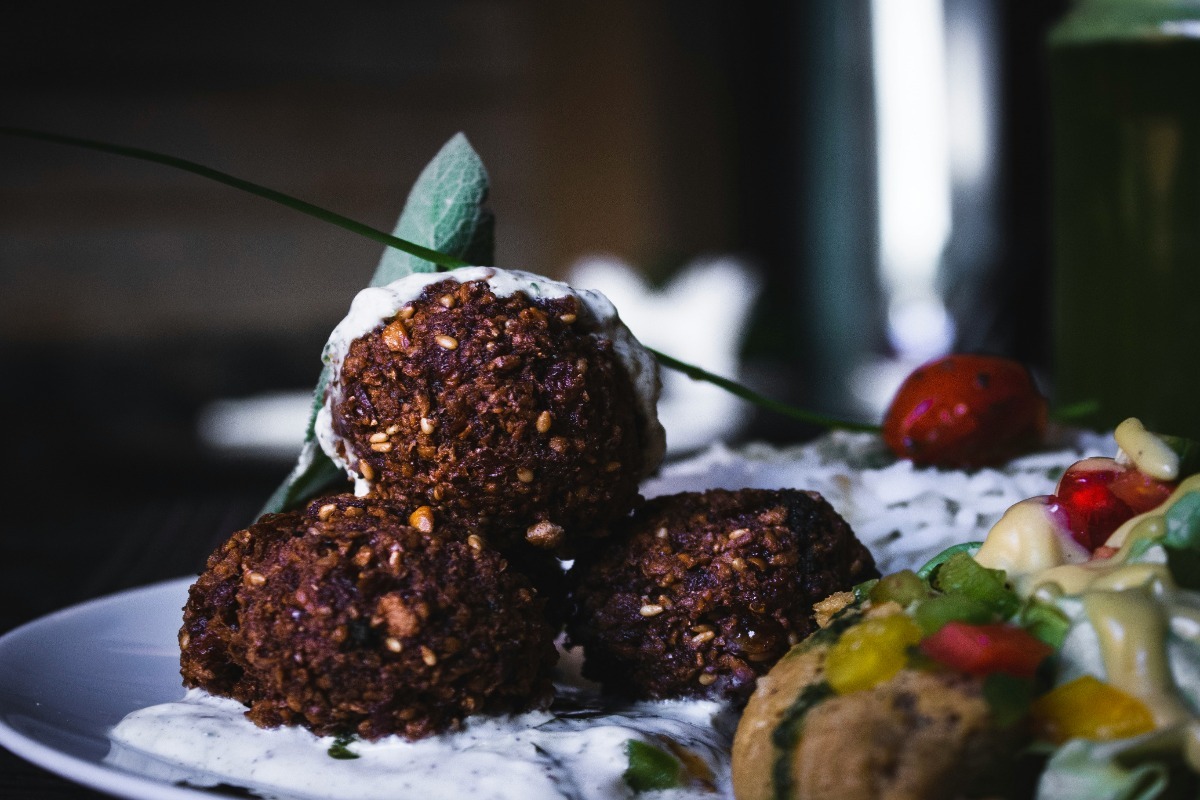
Photo Credit: Unsplash / Louis Hansel
Skift Take
Planning ahead is the key to meeting attendees’ special dietary requirements, especially for kosher and halal meals.

The first step in accommodating religious diets, like kosher and halal, at your meeting is to understand the various restrictions and preferences based on religious practices.
Kosher food complies with the dietary standards of traditional Jewish law. The most common kosher restriction is the separation of dairy and meat products; dishes containing dairy cannot also contain any type of meat or poultry. All seafood and pork are strictly prohibited.
Halal diets, guided by Islamic law, require that meat be slaughtered according to specific rituals and prohibit pork and alcohol.
Explore the Skift Meetings Toolkit
Level up your skills in minutes and start streamlining the way you plan meetings and events.
Hundreds of articles in nine key categories: Accessibility & Inclusion | Budgeting & Cost Savings | Careers & Personal Development | Contracts & Duty of Care | Event Technology | Ideas & Inspiration | Logistics & Operations | Marketing & Promotions | On The Road
Following are some tips for accommodating attendees with kosher and halal diets.
1. Find a venue with a kosher kitchen
Some meeting venues have dedicated kosher kitchens. For example, hospitality industry leader Harris Rosen created Zayde’s Kosher Kitchen at Rosen Plaza Hotel to meet this need. It has three different kitchens — Glatt, Cholov Yisroel, and Pareve — all run by a full-time mashgiach temidi, or kosher supervisor.
Some restaurants and venues with a large percentage of Bar/Bat Mitzvahs and weddings also adapt their kitchens to be kosher-certified, such as Warehouse 215 in Phoenix.
For halal meals, look for venues or caterers with halal certification to ensure compliance with Islamic dietary laws.
2. Start planning early
Inquire about dietary needs early on. Kosher and halal meals take time to source, so the registration form is the place to ask about dietary requirements. Set up your forms so that responses are mandatory.
Make sure to ask specifically about kosher and halal requirements to avoid misunderstandings.
3. Ask which functions attendees plan to attend
The best way to avoid wasted food — and money — is to include counts for each meal for these attendees. Special meals can be expensive; estimates range from $50 to $200 per person for a formal plated dinner.
4. Give your hotel time to source catering
Many hotels will choose to purchase ready-made kosher and halal meals, and already have established relationships with local caterers. (Zayde’s, for example, supplies pre-packaged kosher meals to other hotels in the Orlando area.) Even restaurants will order special meals from other restaurants for attendees at an event, if they are given enough advance notice.
Ask your venue about halal-certified caterers or trusted suppliers for halal meals.
5. Offer already-available substitutes
Some attendees are happy to work with vegetarian choices. Offer them the chance to choose a vegetarian meal, a vegan meal, or to select items from the buffet.
Clearly label ingredients and note if items are halal or kosher to help attendees make safe choices.
Professional event catering can also assist in offering creative vegetarian or vegan alternatives that are acceptable to many halal or kosher guests, ensuring a satisfying and compliant dining experience for everyone.
Boost Meeting Inclusivity by Catering to Halal and Kosher Dietary Needs
Beyond meeting dietary needs, providing halal and kosher options demonstrates cultural sensitivity and inclusivity, which can enhance attendee satisfaction and foster a positive reputation for your event or organization.
Taking these steps also reduces food waste and controls catering costs by accurately tracking special meal requirements. Investing the effort upfront ultimately leads to smoother, more successful meetings where everyone feels welcome and valued.
Sources: Food for Thought Catering