
Budapest’s Value for Money Goes One Step Further With Subvention Fund

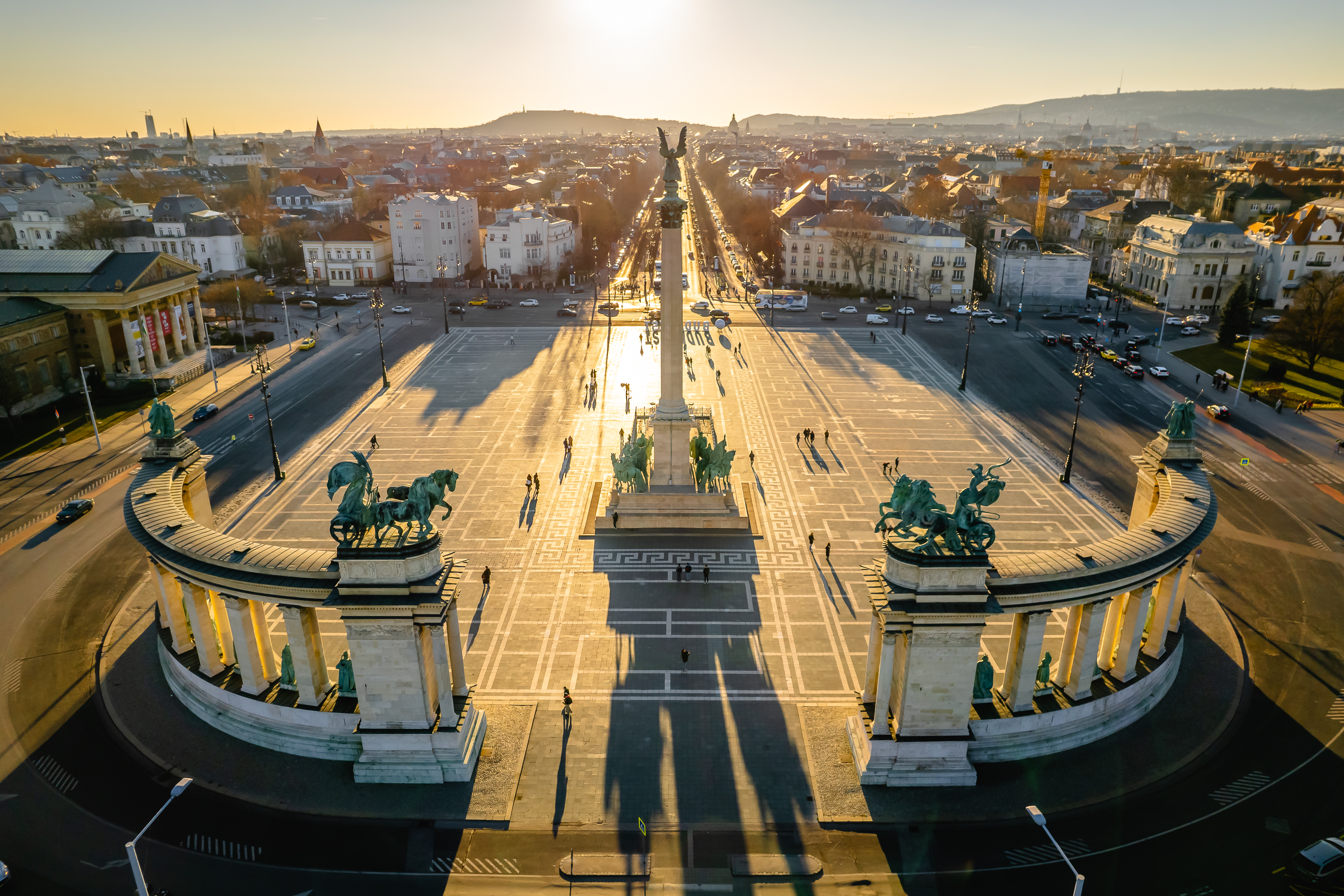
Photo Caption: Photo Caption: Heroes Square Panorama
Skift Take
The new Budapest MICE Fund is designed to help event organizers and incentive planners stay within budget while delivering the elevated experiences that attendees expect.
While the 2026 Global Business Travel Forecast may not contain many surprises, it does reveal just how resourceful meeting professionals can be. Amid rising costs and limited budgets, the industry is shifting to smaller, more curated experiences rather than simply lowering standards. In fact, event professionals are facing “[e]levated expectations around venue quality, sustainability, wellness, and hybrid capabilities.”
Budapest, a central European capital with over 1,000 years of history, has long offered some of the world’s best value for money. Its historical sites and ultra-modern amenities provide a wide variety of venue options, while its thermal spas, world-renowned wines, and lake district resorts make luxury experiences accessible.
In short, Budapest promises cost savings for meetings and incentives without ever having to compromise on quality. The travel magazine Radical Storage estimates Budapest to be roughly 40 to 50% less expensive than Western European capitals. To ease the financial burden even further, the city is introducing a new subvention program: the Budapest MICE Fund.
To learn more about the fund and everything that Budapest has to offer, Skift Meetings sat down with Ildikó Lippai, head of MICE strategic planning at the Budapest Convention Bureau.
A New Funding Program for MICE
Set to begin in September of this year, the Budapest MICE Fund is already accepting applications. Phase one will cover events and meetings taking place between September 15, 2025, and June 30, 2027.
This subvention program will not only provide financial assistance, but strategic guidance. “Our emphasis on personalized service, flexibility, and deep-rooted hospitality sets us apart,” said Lippai.
This welcoming spirit reflects city-wide values, and it’s no accident that Budapest ranked second in CN Traveller’s 2024 Readers’ Choice Awards for the friendliest cities in Europe.
Unique Venues Blend History and Modernity
Another standout feature of Budapest is the architectural diversity of its venue options. “Budapest’s architectural style is a living chronicle of its history — and that’s what makes it truly unique,” said Ildikó Lippai. The city has a long track record of both preserving historical monuments and embracing new developments.
“The result is a harmonious mix of old and new, grandeur and intimacy, reflecting Hungary’s unique cultural identity: resilient, creative, and deeply proud of its heritage, yet open to innovation,” added Lipai.
In recent years, Budapest has seen a wave of investment not only in new state-of-the-art venues and luxury hotels, but in restoration projects. “For MICE visitors, this translates into event venues that are not just functional spaces, but authentic experiences — whether it’s a gala in a neo-Renaissance palace or a brainstorming session in a repurposed warehouse overlooking the Danube,” said Lippai.
The Renewed and the New: Standout Venue Options
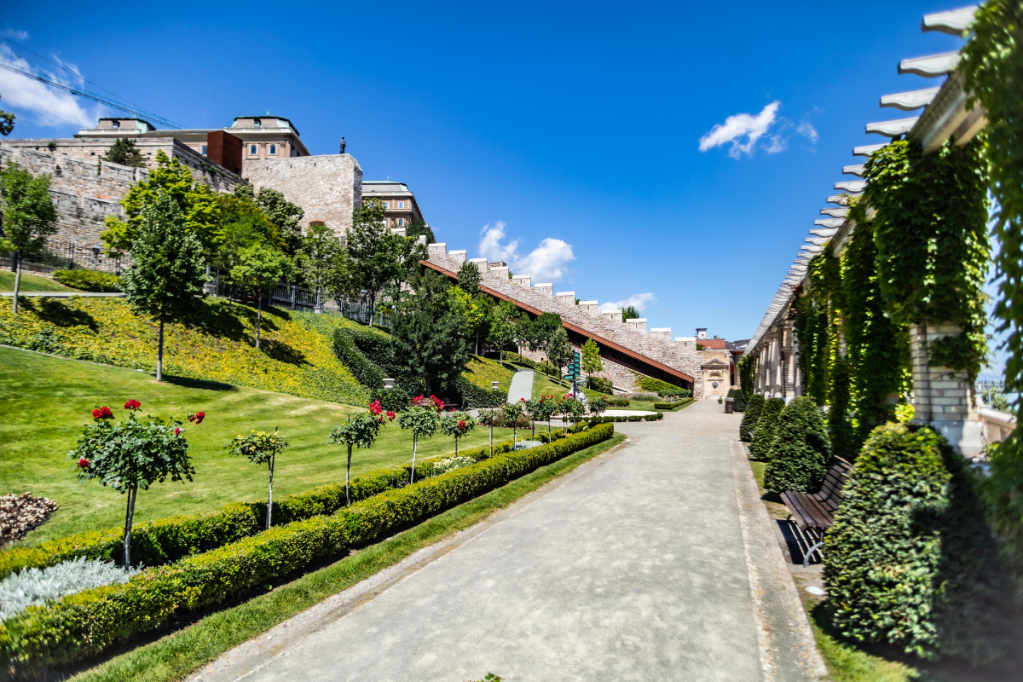
A prime example is Budapest’s Royal Riding Hall, which was destroyed in WWII and rebuilt from 2019 to 2020 with meticulous historical accuracy. Its expansive banquet room features arched windows and a vaulted wood-beam ceiling. Similarly, the Buda Castle Garden Bazaar was restored to its full splendor in 2014, with ornamental gardens and domed colonnades framing views of the River Danube. At Budapest’s Museum of Fine Art, the recently restored Romanesque Hall is itself a work of art.
The award-winning Liget Budapest Project is yet more evidence of Hungary’s investment in the city’s cultural legacy — both past and future. It is Europe's largest urban development project centered on cultural content. Refurbished historical venues like the House of Millennium blend seamlessly with ultra-modern additions like the House of Music and the Museum of Ethnography
Budapest also offers more than 25,000 hotel rooms across over 250 hotels, many with four- and five-star ratings. Over the coming five years, 22 new hotels and over 3,000 rooms are expected to open.
Where History Meets Wellness: Budapest’s Spas
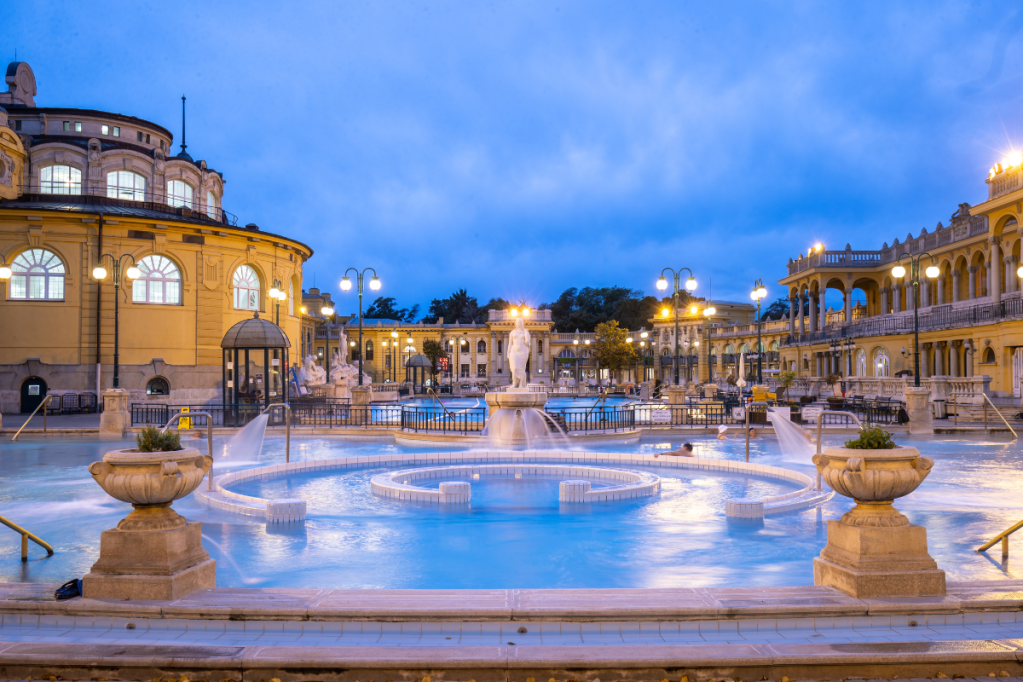
Known as the “City of Spas,” Budapest boasts a wealth of historical thermal baths that transport guests to different periods across a 500-year span.
“Water is in Budapest’s DNA, and nowhere is this more tangible than in its thermal spas,” said Lippai.
At the world-famous Széchenyi Baths, visitors soak in open-air hot springs surrounded by palatial Neo-Baroque architecture. With an even longer history, the Rudas Baths feature an indoor octagonal pool built in the 1500s under the Ottoman Empire. Alternatively, the recently renovated Veli Bej Bath is a hidden gem that combines an Ottoman-era octagonal pool and domed ceiling with boutique spa services.
Treat Attendees to the Wine of Legends
The same prehistoric volcanic activity that powers Budapest’s natural hot springs has also gifted Hungary with exceptionally mineral-rich soil, ideal for vineyards. Many are now rediscovering a secret that was once well-known among Europe’s royalty: Hungary produces some of the world’s best wines.
“Hungary’s wine heritage is as rich and diverse as its history, and Budapest is the perfect starting point for exploring it,” said Lippai.
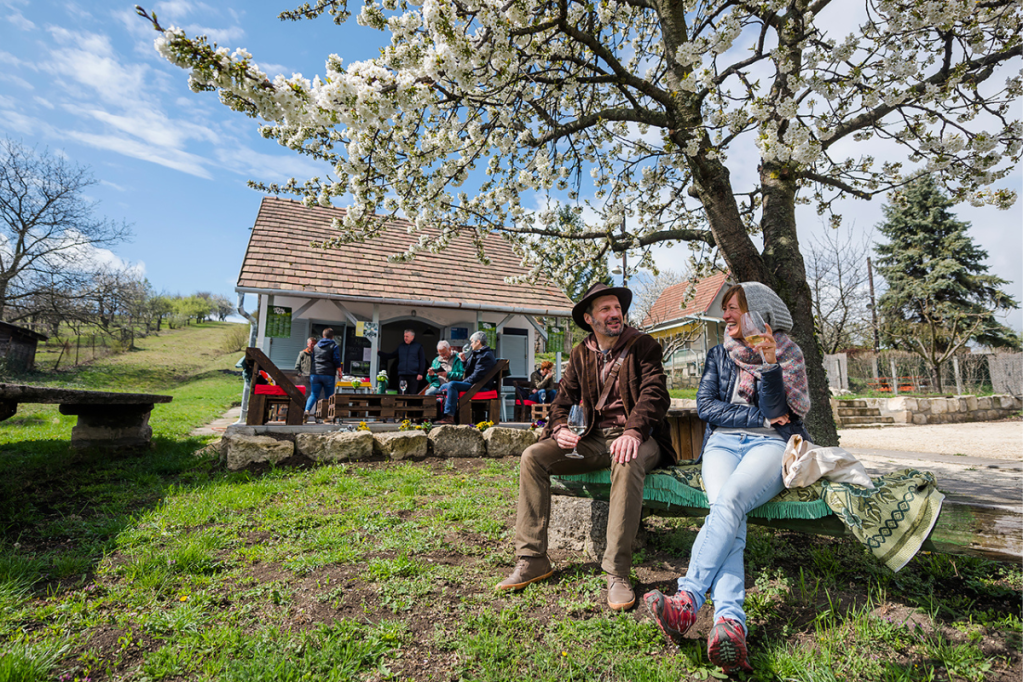
The Etyek wine region, often called the “vineyard of Budapest,” is just 30 minutes outside the city. Its boutique wineries and countryside charm make it ideal for half-day incentives or a corporate dinner excursion.
Sample the Vintages of Kings and Historic Battles
A little further afield is the Tokaj Wine Region, a UNESCO World Heritage site with a winemaking tradition that dates back over 1,000 years. It was declared a legally protected wine region in 1737 by royal decree. Its most famous export is Tokaji Aszú, a wine that takes advantage of native microbes to alchemize a uniquely sweet flavor. Louis XIV of France dubbed it “the wine of kings, the king of wine.” Celebrated fans include Peter the Great, Catherine the Great, Frederick II of Prussia, Napoleon III, Goethe, Schubert, Beethoven, and Liszt.
The region is also known for its dry white wines and sparkling varieties, and another storied favorite is the robust red Egri Bikavér, or “Bull’s Blood.” According to legend, Hungarian soldiers stained their beards with it during the sixteenth-century Siege of Eger, fortifying themselves while convincing the enemy they had drunk bull’s blood for strength.
Event Spaces and Wine-Tasting Experiences
The Tokaj region’s winemaking tradition comes to life in its many venues and historical sites. Its wine cellars are often carved directly into volcanic rock, with some dating back 1,000 years. The region is also home to multiple manor houses converted into venues, including the recently renovated The Rákóczi Cellar and Manor. Its Knight’s Hall is located in a 500-year-old cellar with a banquet table fit for knights — and corporate events. Another standout option is the five-star Minaro Hotel. Through its connections to local micro vintners, it offers rare wines not available anywhere else
“From sparkling to sweet, from legends to modern innovation, Hungary’s wine scene offers an unparalleled variety that can elevate any MICE program — whether through gala dinners, wine masterclasses, or vineyard team-building experiences,” added Lippai.
Lakeside Retreats
Few travel experiences are more synonymous with luxurious leisure than a waterside resort, and Hungary delivers here as well.
Lake Balaton, less than 90 minutes from Budapest by car, is commonly known as the “Hungarian Sea” because of its impressive size and resort culture. While still a hidden gem for many in the MICE industry, the region is quickly developing a reputation as the “Hungarian Riviera.” Group activities range from sailing and water sports to tasting natural wines and harvesting lavender. “These activities offer both sensory immersion and memorable take-home gifts, making them ideal for incentive groups seeking something beyond the ordinary,” said Lippai.
Accommodations include Szántód’s Mövenpick BalaLand Resort, a premium hotel and spa that recently earned Green Globe certification. On the northern shore, Anna Grand Hotel blends historic elegance with modern luxury, making it ideal for executive retreats, gala dinners, or wellness-focused programs.
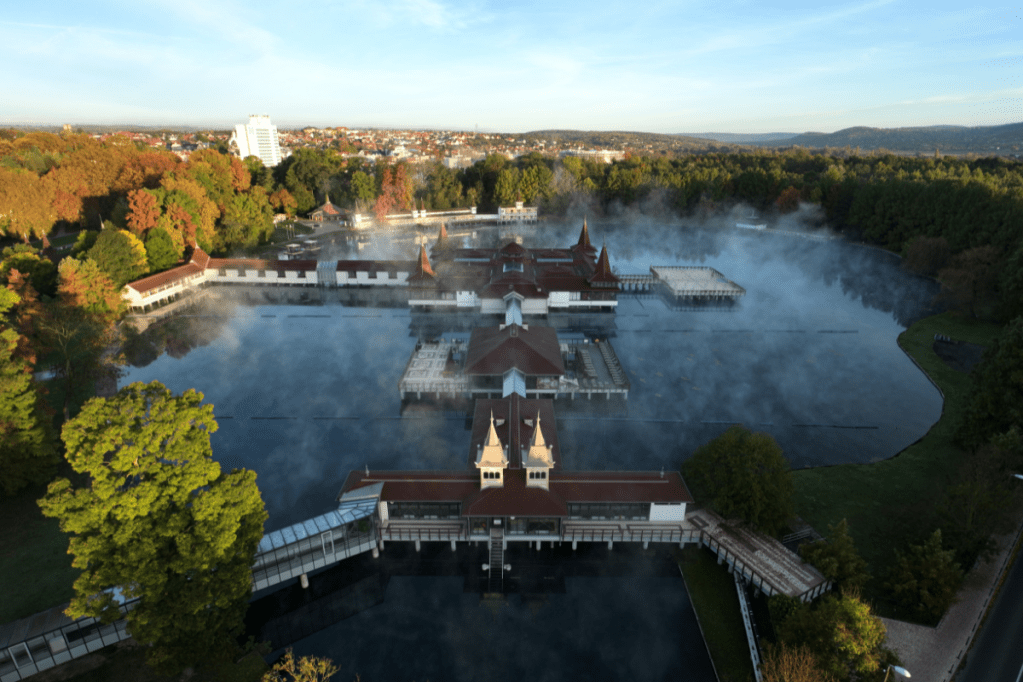
For a one-of-a-kind experience, the region also boasts the world’s largest swimmable thermal waters: Lake Hévíz, ranked third on Lonely Planet’s 2024 list of The 20 best hot springs to visit in Europe. The nearby Le Prímore Hotel offers a world-class spa experience, perfect for combining relaxation with business events.
Delivering Unparalleled Value for Money
Budapest offers some of the world’s best value for money, and the new Budapest MICE Fund means even more savings.
By combining exceptional venues with luxury experiences, Budapest allows event organizers and incentive planners to deliver the curated programs that attendees expect — all while staying within budget.
For more information about the Budapest MICE Fund, click here.
This content was created collaboratively by the Budapest Convention Bureau and Skift’s branded content studio, SkiftX.