Dr. Steven G. Rogelberg says meetings are a bigger expense than IT when you add the cost of attendees’ time and salaries. So why is no one at the top in charge?
Children whose parents work in the meetings industry grow up being exposed to interesting people from all over the world and taking trips their friends could only dream of. So it’s not surprising when they decide to follow in their parents’ footsteps.
Today’s uncertain business climate is putting pressure on planners to hold off on making decisions until the last minute. Not only does this put speakers bureaus in a tough spot, it can mean lost income for the speakers.
Hosted buyer models are shifting from rigid schedules to buyer-driven engagement. As planners demand more autonomy and exhibitors seek qualified leads, shows like IBTM and IMEX are rewriting the playbook.
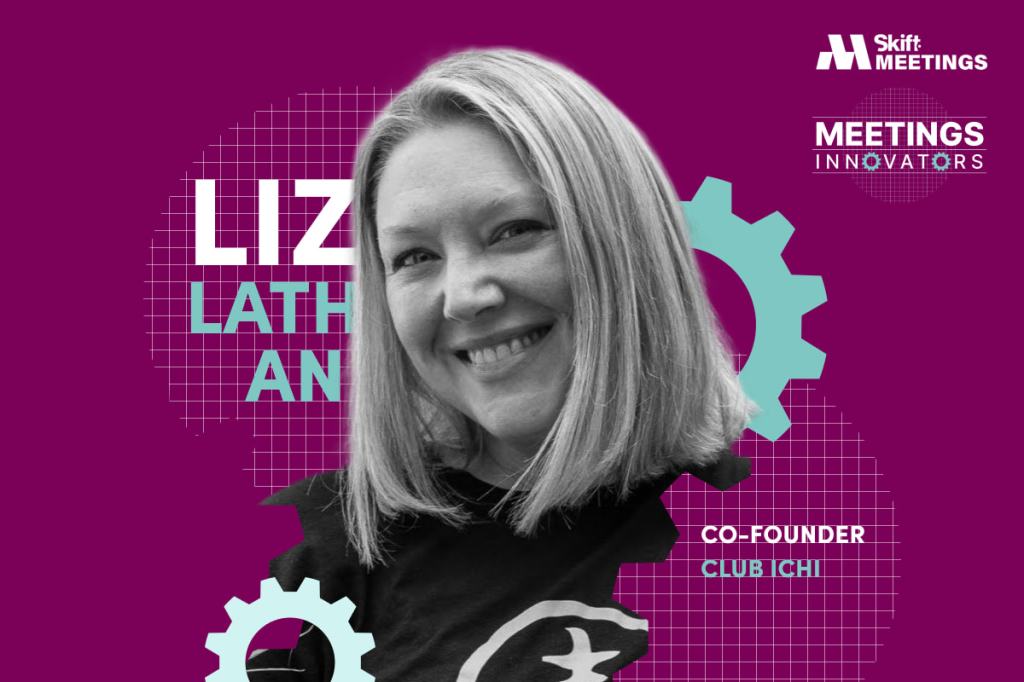
Liz Lathan is reinventing business events with emotional clarity and bold ideas, reminding the industry that connection is the real return on investment.
There might be an initial learning curve, but planners say once they are up to speed, these technologies are not only improving their meetings but lightening their load.
Icebreakers are evolving from cheesy to strategic. Here’s how to use them with intent, create stronger connections, and drive participation across formats.
Montréal is poised to maintain its position as a top destination for international conferences as the city leverages its support services to ease travel concerns, while welcoming visitors to enjoy its unique French culture like a local.
Planners need to rethink how they use technology in every aspect of their meetings, or they risk losing the attention of the biggest percentage of their attendees — Millennials and Gen Zers.
Cincinnati is making an $800 million bet that a fully modernized convention center, a new headquarters hotel, and two-acre public plaza will help the city leapfrog into the top tier of U.S. meetings destinations.