
Vienna, One of the World’s Most Liveable Cities, Breaks Meetings Record
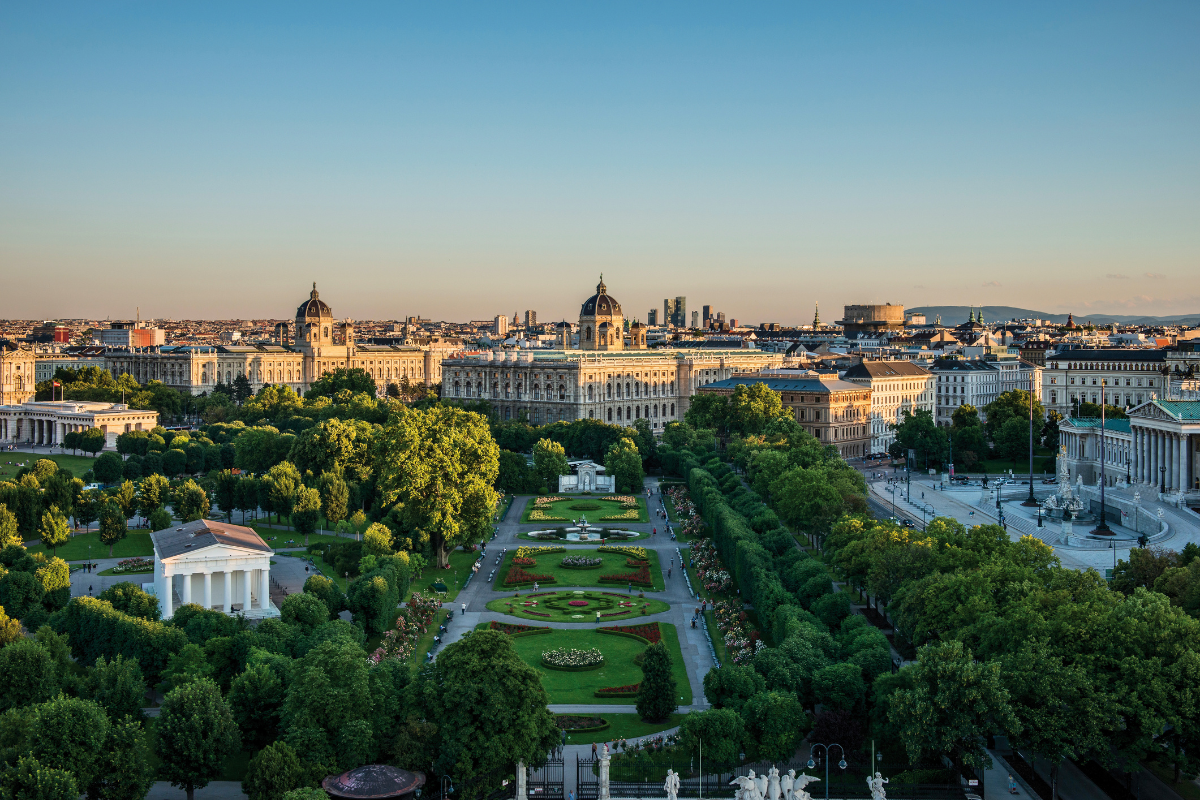
Photo Caption: ©WienTourismus/Christian Stemper
Skift Take
When Vienna consistently ranks among the world’s top three most liveable cities, it’s no wonder the destination continues to outdo its own records for annual meetings. Here are a few of the factors contributing to the city’s status as the world’s top destination for international congresses.
In Vienna, world-class infrastructure, sustainability, and culture come together seamlessly. As Billy Joel put it, “Vienna waits for you.” For meeting planners, that means a destination that’s prepared, welcoming, and memorable.
Vienna continues to live up to its reputation as one of the world’s top destinations. According to the 2025 Economist Intelligence Unit (EIU) rankings of the world’s most liveable cities, Vienna tied for second place with Munich, after scoring the number one spot in six of the previous 10 years.
At the same time, 2024 marked a record-breaking year for Vienna’s meetings industry, with 6,619 congresses and corporate events hosted — a 6% increase over the previous year.
Even more impressive, that modest bump in event volume drove a 26% surge in overnight stays among meeting participants, signaling that not only are more events choosing Vienna, but attendees are staying longer. It’s no surprise, then, that Vienna claimed the top spot in ICCA’s 2024 global rankings for international congress destinations.
Why Vienna Excels as a Global Meeting Destination
Vienna’s success as a meeting destination can’t be attributed to just one factor. It results from a thoughtful blend of smart urban planning and outstanding meeting services, supported by a range of strengths that set the city apart. From excellent transportation options and world-class sustainability programs to a seamless mix of modern innovation and historic charm, all delivered with transparent, reliable pricing, Vienna continues to stand out as a top choice for international events.
Mobility: Ease of Travel To, From, and Within Vienna
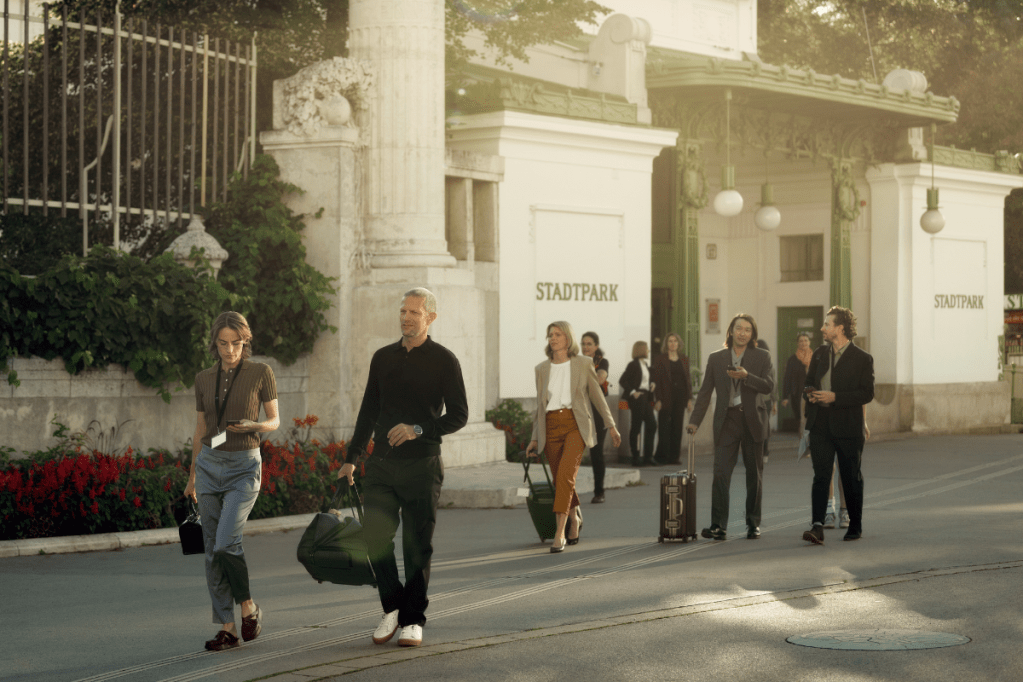
As a mid-sized city nestled in the heart of Europe, Vienna makes it easy to travel to, from, and within the destination.
Air Travel
Vienna International Airport serves roughly 170 destinations in 66 countries year-round, with the number of destinations jumping to over 190 during the peak summer schedule. Most European capitals are only two to three hours away by plane, and direct flights are available from multiple North American cities, including New York, Boston, Washington D.C., Chicago, and Los Angeles.
Rail Travel
Vienna is Europe’s best-connected city by rail. Thanks to the Austrian Federal Railway’s (ÖBB) high-speed service, attendees can travel by train to multiple European cities across 15 countries. Overnight trains are available to and from over 25 European cities, and all of Vienna’s railway stations are easily accessible by public transportation.
Event organizers can encourage rail travel by arranging an ÖBB Congress Account, which provides attendees with 10% to 22% discounted tickets. The program has proven increasingly popular, with more than 2,500 tickets being sold in the first half of 2025, resulting in a reduction of 152 tons of CO₂ emissions.
Public Transportation
Often touted as “the city of short distances,” Vienna is a highly walkable destination that goes the extra mile with its public transportation system. Options include a reliable network of subway lines, trams, buses, and bike-sharing services. The city’s public transportation is known for being as affordable as it is “frequent, fast, clean, [and] efficient,” scoring the second-highest approval rating (84%) of any European city in a poll by Time Out magazine.
Research from Meeting Destination Vienna reveals that roughly two-thirds of the city’s congress attendees use public transportation. Consider offering attendees a Wiener Linien's Vienna Meeting Ticket, a pass that provides unlimited use of local public transport during the event.
Sustainability: Ecological, Economic, and Social Responsibility
Sustainability is at the heart of Vienna’s city planning, and that core value carries over into meetings and congresses. Event organizers benefit from a range of eco-certified venues, community-oriented legacy projects, a culture of inclusive practices, accessible infrastructure, and a city-wide respect for diversity, equity, and inclusion.
Support for Green Meetings
The Vienna Meeting Fund, a subvention available to international conventions and corporate meetings in non-peak months, even offers a financial incentive to go green. To qualify for full funding (€60,000 or over $70,000), congresses and corporate meetings must secure Green Meeting or EcoEvent certification.
Thanks in part to programs like this, certified Green Meetings doubled nationwide last year, while Vienna’s nearly tripled.
Meeting Destination Vienna also provides resources to help event organizers meet certification requirements. For example, the destination’s venue finder includes advanced search settings that allow organizers to filter for green certifications. Further, planners can request site visits prioritizing sustainability goals or browse a curated list of sustainability-themed activities for events and incentives.
Legacy Programs
As the industry moves toward a more holistic understanding of sustainability that incorporates social and economic responsibility, Vienna is putting these values into practice with its legacy programs.
“Vienna actively promotes the concept of legacy through strategic initiatives designed to ensure that meetings create lasting value — for participants as well as the local community,” said Anita Paic, Director B2B Management at the Vienna Tourist Board and Head of the Vienna Convention Bureau.
As a prime example, the 2025 Congress of the European Renal Association (ERA) organized interactive health education workshops at three Viennese schools, with prizes for continued health education initiatives. Additionally, the congress provided free kidney check-ups for the public and supported the "DonauCleanUp", an organization that is cleaning up the banks of the Danube River.
Another noteworthy legacy initiative was the Healthy Lungs for Life campaign, which was launched by the European Lung Foundation (ELF) and the European Respiratory Society (ERS) during their congress in Vienna in 2024. Working in collaboration with multiple international and local institutions, the congress facilitated free lung function tests in public spaces, educational visits to local schools, the development of teaching materials on lung health, and a charity run.
“These projects demonstrate that in Vienna, legacy is much more than an abstract concept. It is a practical framework embedded into the planning and execution of international meetings,” said Paic.
A Reputation for Social Sustainability and Safety
Vienna’s community-minded spirit extends beyond the event space to encompass wider city planning initiatives. As a striking example, Vienna’s world-renowned social housing program has helped to lower the cost of living, with Viennese residents paying roughly one-third the rent of those in comparable cities.
This kind of smart city planning contributes to a safe society where visitors feel welcome. When congress attendees were surveyed about the city’s reputation for personal safety, 99% said it was superior or equal to competitor destinations.
Innovation and Development: A Hub for Science and Technology
Vienna has earned an international reputation as a leading research, education, and innovation center.
These factors have helped attract major scientific, technological, and research events. In particular, human medicine congresses accounted for 43 percent of the city’s overnight stays last year.
A Hub of Innovation
Meeting Destination Vienna facilitates close collaboration between event organizers and the city’s universities, scientific institutions, and thriving business community. “In the life sciences sector, Vienna is one of Europe’s leading hubs and home to over half of Austria’s life sciences community,” said Anita Paic. Congresses in the health and technology sectors regularly draw from the resources and expertise available at local institutions like the Medical University of Vienna, the University of Vienna, the Technical University of Vienna and the Vienna Biocenter.
Vienna also stands out as a center for geopolitical meetings. Home to over 40 intergovernmental organizations, the city has garnered a worldwide reputation as the site of the United Nations Office at Vienna — one of only four major UN offices across the globe.
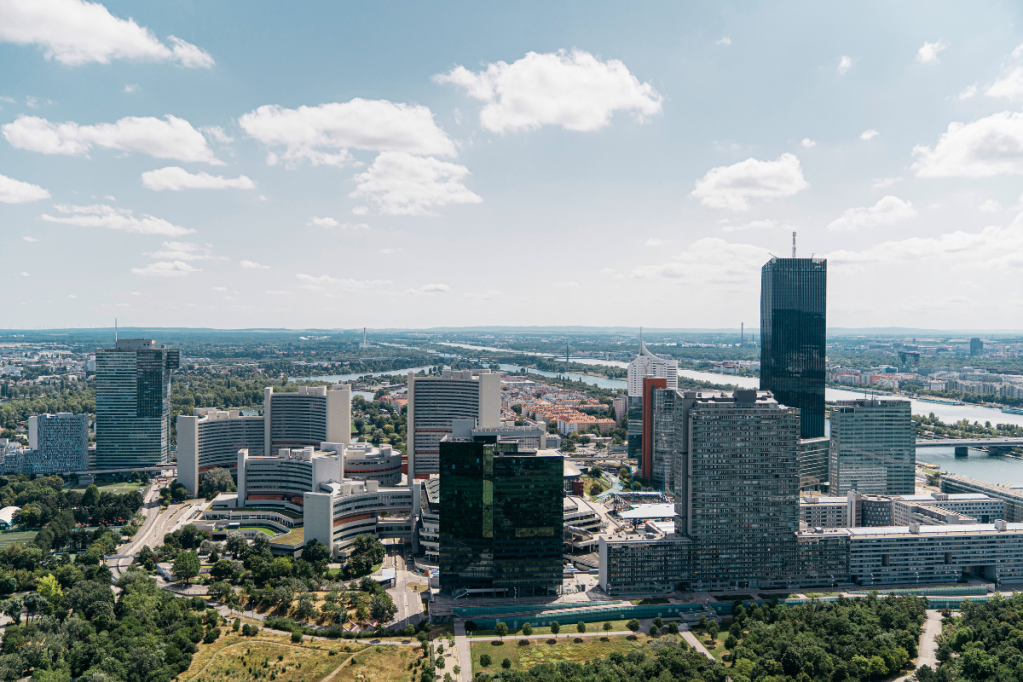
Convention Centers
With three state-of-the-art convention centers inside the city limits, Vienna also boasts robust infrastructure for international events. Austria Center Vienna, for example, continually upgrades its facilities to meet the highest global standards. The convention center’s polySTAGE, a display of 52 individually controllable LED segments, was the world’s first LED wall system of its kind. For an experience that combines state-of-the-art technology with imperial architecture, consider the Hofburg Congress Centre — once the principal palace of the Habsburg dynasty. Its stately rooms can accommodate up to 4,900 guests across 182,000 square feet of floor space. For large-scale exhibitions and trade shows, VIECON – Vienna Congress & Convention Center offers ultra-modern infrastructure and almost 800,000 square feet of floor space.
High-Value Experiences: Art, Culture, and Premium Accommodations
Vienna, the world’s capital of classical music and the former seat of the Austro-Hungarian Empire, offers a wealth of cultural experiences within a setting built for comfort. “Many choose to extend their stay or return later, not only because of the city’s professional excellence, but because Vienna offers an experience that is both culturally rich and personally rewarding,” said Paic. Transparent pricing also means these delights can be enjoyed without fearing hidden fees.
World-Class Cultural Experiences and Hospitality
The city’s 2025 theme is King of Waltz. Queen of Music, inspired by Johann Strauss and Vienna’s legendary musical heritage. “With more than 100 museums, two world-class opera houses, imperial palaces, and daily classical concerts, the city offers countless opportunities to engage with history, art, and music,” added Paic.
Multiple imperial palaces have been converted into museums and meeting venues. The Liechtenstein Garden and City Palace, Palais Palffy, and Palais Esterházy all feature event spaces. Other standout attractions include the Belvedere Palace and Museum, Ringstrasse Boulevard, Schönbrunn Palace, and the Spanish Riding School.
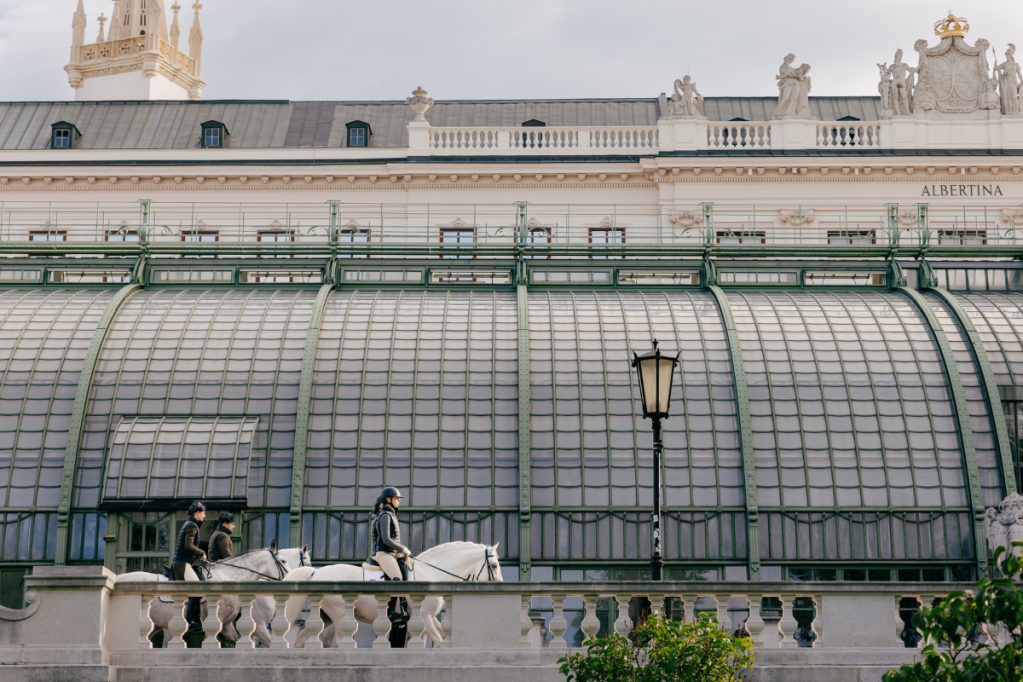
Vienna also boasts world-class hospitality. More than 430 accommodation providers await with almost 41,000 rooms — 60% of which are in the four or five-star category. Additionally, more than 100 of Vienna's hotels offer meeting facilities. By the end of the year, about 10 new hotels will have opened, adding around 1,400 rooms.
Among those surveyed, 86%of congress visitors said they intended to return to Vienna for a private visit, and 27% had already extended their stay.
For more information about why Vienna is a top choice for attendees and event organizers alike, visit Meeting Destination Vienna at https://meeting.vienna.info/en.
This content was created collaboratively by Meeting Destination Vienna (Vienna Tourist Board) and Skift’s branded content studio, SkiftX.