
AI Is Fixing the Worst Part of Events: Bad Networking

Skift Take
As attendees become increasingly picky about which programs are worth their time and money, the meetings that leverage the right approach to artificial intelligence will emerge as winners.
Meetings and conventions have always relied on one key value proposition to attract attendees: Register today, and get ready to meet dozens of new people who might just be your next big business partner. For plenty of attendees, however, the historical approach to networking simply doesn’t work. Instead, the on-site experience can be full of conversations awkward enough to convince some attendees to escape back to the hotel.
The solution isn’t about designing a different cocktail hour or developing better ice breakers for breakout sessions, though. Instead, the secret to getting people to come together lies with artificial intelligence.
“The human connection is the most important piece of events, and AI is a powerful tool to extend human capabilities,” said Ville Vanhala, vice president of customer experience and co-founder of Brella. “You can have 15 human connections, but are they valuable? AI can help you separate the good from the bad and decide which will help create new deals or jobs.”
Turning to AI to Fuel Organic Conversations
AI has already been helping sift through those potential connections for Brella’s client list, which includes a wide range of events in the technology, pharmaceutical, insurance, and cryptocurrency spaces.
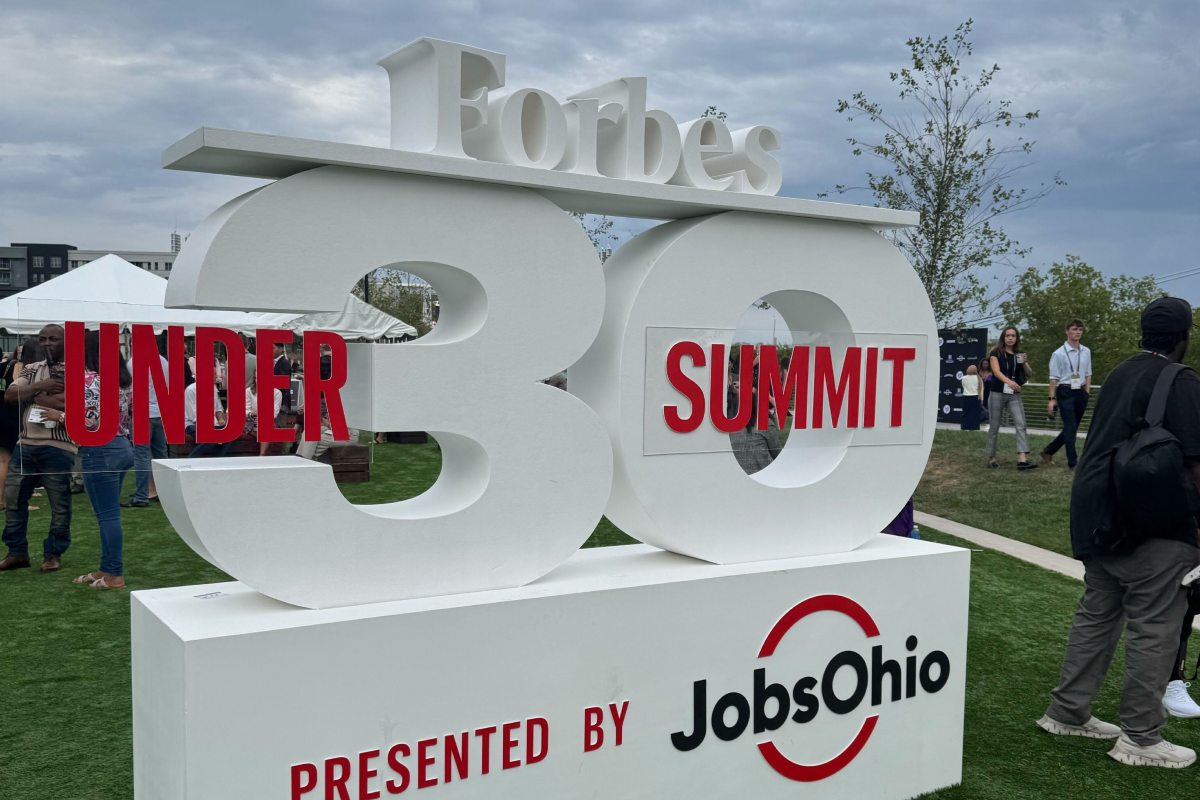
At the most recent edition of the Forbes 30 Under 30 Summit in Columbus, Ohio, for example, Brella’s technology proved to be a difference-maker for the experience, earning Adweek’s Best Event for Professional Development award.
“While we had our venues, activities, speakers, and other aspects down to a science, we knew that some attendees were feeling overwhelmed by the fact that thousands of people surrounded them and couldn’t engage in enough organic conversations,” said Mary Margaret Soderquist, director, audience and community marketing at Forbes.
Soderquist said that Brella helped attendees “leave the event with more useful and meaningful connections that they would have without this tool.”
That “meaningful” piece is the key to any event’s success, and Brella helps unlock that meaning by asking for more robust details about each attendee. Instead of matching people based solely on an area of interest, each attendee will need to indicate more about why that interest matters – whether they’re looking to buy solutions or sell them, for example, or they may indicate whether they want to find a new hire or look for a new job for themselves.
“We are always connecting the supply and demand versus simply finding two people who are interested in a similar topic,” Vanhala said.
Behavioral Analytics for Smarter Matchmaking
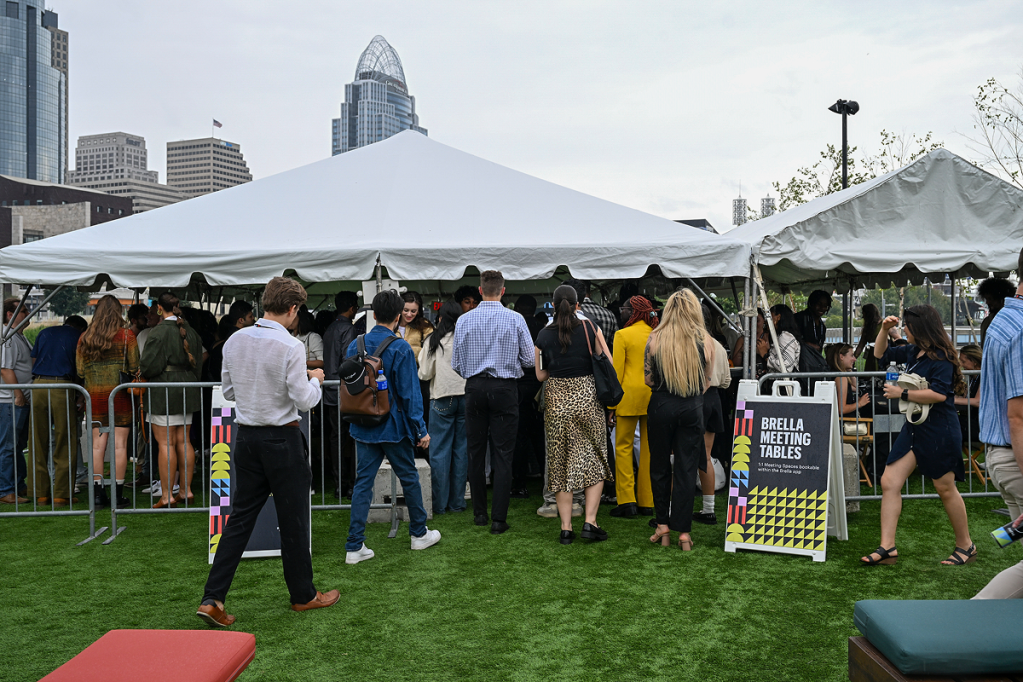
The platform also uses behavioral analytics to determine which attendees will most likely accept a meeting. “When someone is working to schedule a meeting, there might be five or ten matches,” he said. “The more active attendees display first due to an increased likelihood of getting a meeting.”
In addition to helping attendees find each other, Vanhala said the platform yields valuable data to help planners continually refine experience design.
In some cases, a larger-than-expected segment of attendees may be looking for certain topics or sessions that are noticeably absent from the agenda. The data may add up to a valuable monetization opportunity in other cases.
“When we recently reviewed post-event information with a customer, there were 140,000 minutes spent in the networking area during the event,” Vanhala said. “Combining all the eyeballs, that could be a space to sell to a new sponsor.”
A Surprising Openness to AI in Events
Okay, some might say, but what about all the fears of AI creating a dystopian world where robots run everything?
In the meetings industry, planners are proving to be much more open to its possibilities.
“The events industry has always been a bit conservative regarding new technologies,” Vanhala said. “But I’m not seeing fearful reactions to AI from our customers. Instead, they are asking how it can help them drive better outcomes. There is a sense of curiosity and openness with a wonder of what we can achieve with it.”
According to the most recent Global Meetings and Events Forecast from Amex GBT Meetings and Events, 42 percent of planners use AI to help match attendees and sponsors.
And as more attendees return home with more valuable connections than they built in the pre-AI era of events, that number is likely to increase rapidly.
Looking Ahead: Predicting What Attendees Really Want
After collecting, analyzing, and refining data from so many meetings, Vanhala said that Brella’s AI has improved significantly over the past five years. The numbers say it all: The company has helped facilitate more than one million meetings, and the average acceptance rate — an indication that AI has served up a worthwhile connection for an attendee — is nearly 40 percent.
Still, Vanhala points out that they are “just beginning to scratch the surface.”
Over the next six months, meeting planners can take new tools for a test drive, including natural language-based content recommendations, new personalization features, and automated scheduling for hosted buyer meetings.
In the long run, Vanhala sees the potential to move from personalized recommendations for new contacts to meet and sessions to attend to something even more powerful: predicting exactly what an attendee wants to do during a program.
The Future of AI-Driven Agendas
Long gone will be the days when attendees open the mobile app on the way to a meeting, only to feel overwhelmed that they didn’t have time to comb through the attendee list and reach out for a time to connect.
In the future, busy attendees will automatically be able to maximize their return on a meeting with some assistance from technology.
“When you open the app, it will show you what you should do,” Vanhala said. “You will need to explore whether it’s right for you, but it will be a fully planned agenda.”
Click here for more information about intent-based attendee matchmaking.
This content was created collaboratively by Brella and Skift’s branded content studio, SkiftX.